
Do Tradies Need a Website? A Practical Guide
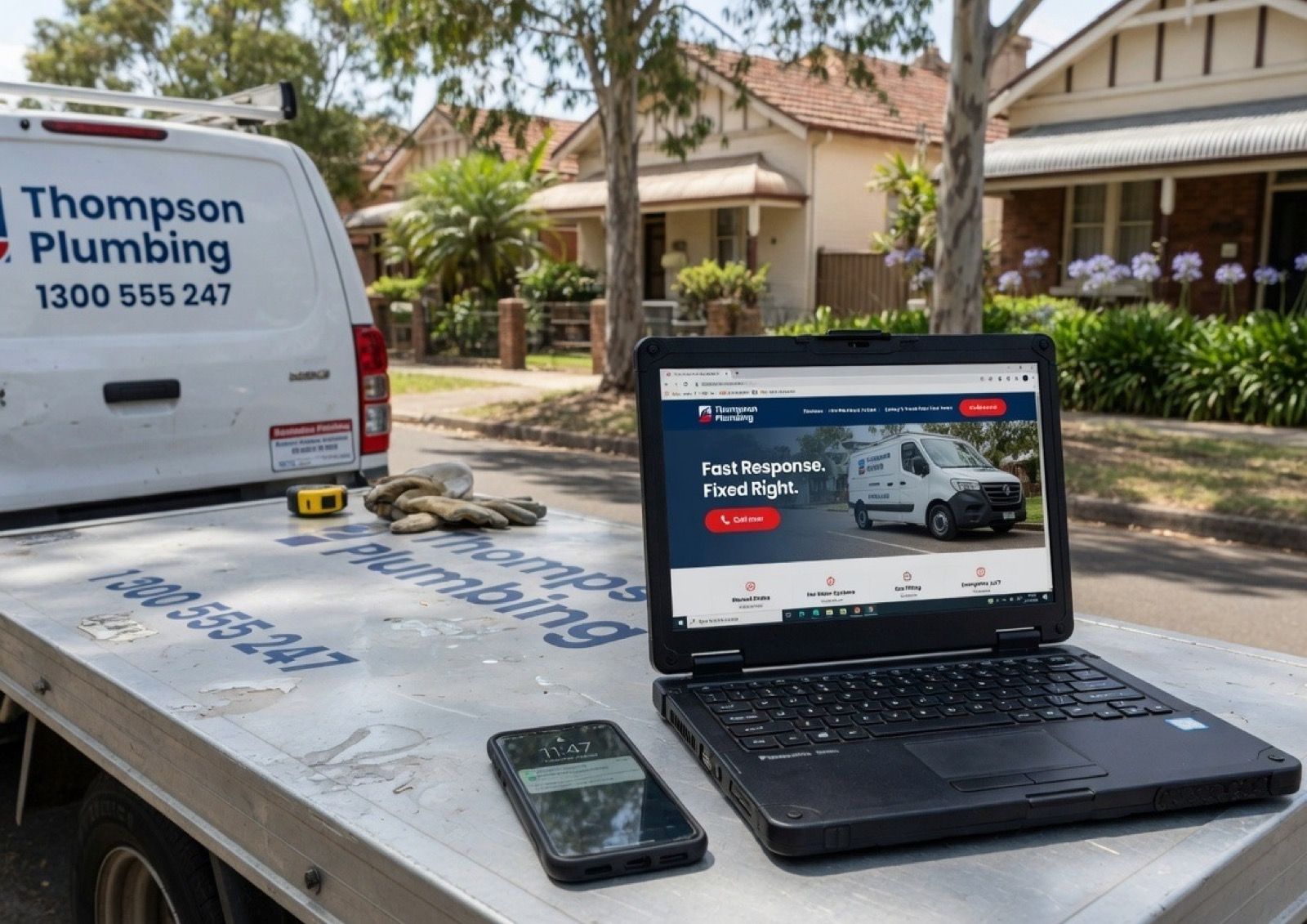
The short answer is yes for most tradies, but a website is not a magic lead machine. It gives people somewhere reliable to check your services, service area, proof, and contact details before they call.
There is also an honest exception. If you are booked out through referrals, do not want different work, and have no need to grow, a website may not be urgent. It becomes more useful when you want better jobs, a new suburb, another worker, or a way to turn a recommendation into a confident enquiry.
What a website does that a social profile cannot
A Facebook or Instagram profile is useful for updates and local visibility. A Google Business Profile helps eligible businesses appear on Maps and local results. Neither gives you the same control over the information a customer needs before making contact.
A useful tradie website makes these details easy to find:
- The jobs you take on, in plain language
- The suburbs and property types you actually service
- Real photos, reviews, licences, and business details
- Opening hours and an honest note about urgent work
- One obvious next step, such as a call or quote request
It also gives you a page to send when someone asks, “Do you do this kind of work?”
Word of mouth still needs somewhere to land
Referrals are valuable. The person who gets your name will often search for you before they call. They want to know that the business is real, the work looks relevant, and the number belongs to the right person.
That check happens quickly on a phone. If the only result is an old social profile or a directory listing with no useful detail, the referral has to do all the trust-building on its own.
When a directory or marketplace may help
Lead marketplaces and trade directories can put you in front of people who do not know your business. They can also put you beside many competitors and make you depend on someone else’s rules, fees, and contact process.
That does not make them useless. Treat them as one channel, not your whole online presence. A website, Google Business Profile, referrals, and selected directories can support each other. Your own site is the place where you explain the business in your words.
What a first tradie website should include
Start with the work you want more of. A small site can cover:
- A homepage that says what you do and where you work
- A page for each important service or job type
- An About page with the real people, qualifications, and business details
- A contact page with click-to-call and a short quote form
- A few useful FAQs and genuine project photos
Do not create a page for every suburb by swapping one place name into the same paragraph. Add a local page when you can explain something specific about the work, service area, or customer process there.
Make it quick and keep it current
Most trade enquiries start on a phone. A slow page, hard-to-find number, or broken form loses more than a clever headline wins. Test the call button and form yourself, keep the important information near the top, and update hours, services, and photos when they change.
I build websites for tradies around those practical jobs. The site stays useful when someone can send a change without learning a CMS.
The practical answer
You probably need a website if you want to be found by people outside your existing referrals, win a different type of job, or make a recommendation easier to act on. You may not need one this month if you are genuinely booked out and do not want to change that.
If you do build one, keep it focused. Clear services, real local information, proof you can stand behind, and a fast way to call will do more for a trade business than a large brochure site.
Read the SEO for tradies guide, see plumber website design, or start a website project.